Hotel and Resort Outdoor Spaces: Design Principles for Hospitality Environments
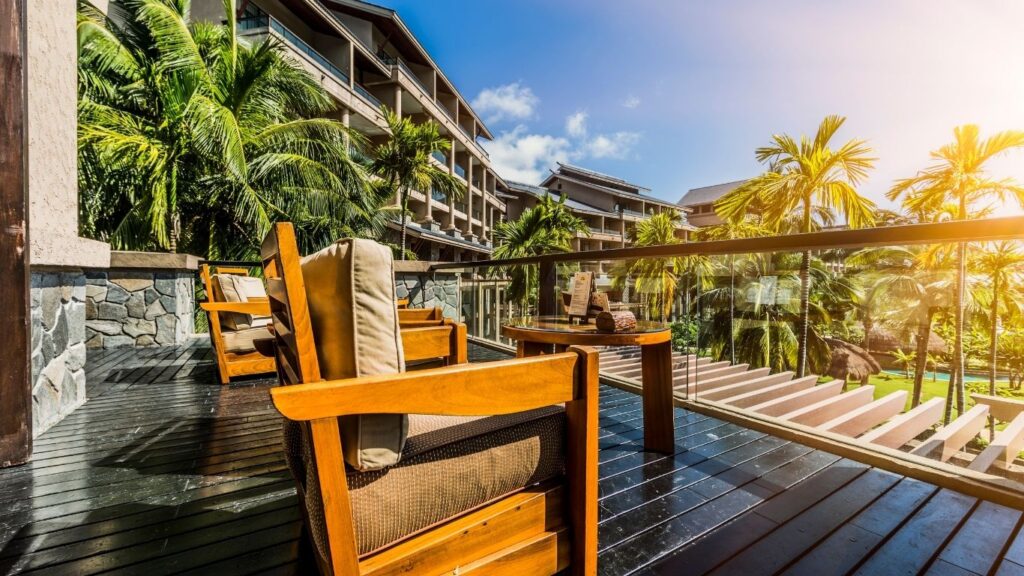
A backyard patio has to work for one household. A resort pool deck has to work for two hundred strangers at once, most of whom paid a premium rate and will judge the whole property by how comfortable that lounge chair felt at two in the afternoon. That difference in scale and audience is the starting point for hospitality outdoor design, and it changes almost every decision from there. The Modern Garden Company covers outdoor design for residential, commercial, and hospitality settings; this piece focuses on what hospitality specifically demands.
One space, several jobs at once
A hotel courtyard might host breakfast service at eight, a business meeting at eleven, and a wedding cocktail hour by six, sometimes all in the same footprint. That kind of daily turnover asks more of a space than a home patio ever does, since the layout has to work whether it’s set for a four-top or a twenty-person reception. Furniture needs to move without a maintenance crew, tables need to reconfigure fast, and sightlines have to hold up whether the space is half empty or at capacity. Designers build that flexibility in from the start: modular seating, stackable chairs, and shade structures that don’t lock a layout into one configuration.
The outdoor space carries the interior’s design language
The best hotel outdoor areas share the same color palette, materials, and finish level as the lobby and dining room. A courtyard with mismatched furniture or a design era a decade behind the interior reads as an afterthought, and most guests clock it within the first few seconds of stepping outside. That consistency is part of what a guest is paying for, even if they’d never phrase it that way.
Furniture takes a different kind of wear in hospitality settings
Hospitality furniture gets moved, wiped down, rearranged, and sat in by a different guest every few hours, all year round, which is a different level of use than a backyard sees on weekends. That calls for commercial-grade construction: reinforced joints, frames that hold up to repositioning without loosening, and materials like powder-coated aluminum that resist corrosion around pools without adding weight staff can’t manage on a daily reset. The upfront cost runs higher than residential furniture, but commercial-grade pieces can last a decade before replacement, where residential-grade pieces in the same setting often need swapping out within two or three years.
Lighting decides how long the space stays useful
A hospitality outdoor space that goes dark at sunset is losing revenue hours. Lighting keeps a terrace or pool deck functional into the evening, and it has to do two things simultaneously: stay warm and layered enough to hold the mood through a dinner service, and stay bright enough at walkways, stairs, and pool edges to keep guests safe. Uplighting on trees, low path lighting, and soft accent light around seating clusters tend to do more for atmosphere than a single bright overhead source.
In Arizona, resorts plan shade before anything else
Phoenix-area resorts build shade into a project from day one, because a pool deck or terrace with no shade coverage is unusable for most of the day between May and September. Shade structures get sized and positioned around how the sun moves across the property over the course of a day. Surface material gets chosen by how hot it gets underfoot before color or texture enters the conversation.